


Table of Contents
You’ve decided to list your property for sale, spoke with your Real Estate agent about a competitive listing price, discussed the closing costs and tax exemptions you are eligible for, and are almost ready to have your home listed on the market.
But before professional photos of your home are taken for the web, and before your real estate agent starts bringing potential buyers to see your home, there are a few things you should consider in the presentation of your property, which can directly impact the time your listing stays on the market and even your property’s dollar value.
In this article, we’ll be talking about the first impressions of your home and a few simple tips that will help you present your home in the best possible way for any potential buyer.
First impressions are the most important.
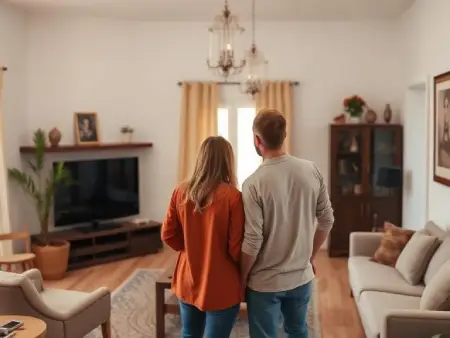
When you meet someone and make a great first impression, that person is more likely to remember the positive feeling they had when they met you, and therefore, they are more likely to remember you.
The first impression of a potential buyer seeing your home works the same way – A buyer will be much more likely to remember your home if you can land that great first impression over other properties.
This is especially helpful if you think about how many properties an interested buyer visits on average while looking for a home.
Here in Baja, being very much a destination for a second-home, retirement, remote work, or vacationing community, many buyers travel here and stay for a day or two specifically to look at properties, so it’s not uncommon for the buyer’s agents to have several places lined up to be seen in a short time.
Although this approach is efficient, it can be overwhelming when potential buyers are trying to remember details of every property they’ve visited, but be assured that a good first impression – that initial feeling they had when walking into your property – will stick with them, even if they don’t necessarily remember all the smaller details of your place. This is why it’s so important that any buyer visiting your property for sale leaves with a strong, positive first impression.
Then, how can we achieve this positive first impression? The short answer is to follow the basic rules and steps of home staging.
What is home staging? Is it necessary?

The most basic definition of home staging is to prepare a property to be listed on the real estate market – the main goal is to make a home appealing to the highest number of potential buyers by making all the areas in the property appealing so that anyone visiting the property with the intention of buying can see themselves living there, therefore, making them more interested in submitting an offer.
According to NAR’s 2023 profile report, “Forty-eight percent of sellers’ agents noticed a decrease in the time a staged home spends on the market.” this report also concluded that “Staging a home resulted in a 1% to 5% increase in the home’s dollar value compared to similar homes on the market that were not staged, according to 20% of seller’ agents”. Given these numbers, it is a good idea to stage your property to appeal to as many buyers as possible.
Home staging is often associated with investing a hefty amount of money, either by paying a professional home-staging company or making expensive purchases; however, we will go through some simple steps that will help make your property more appealing and deliver a great first impression.
A quick home staging guide in 4 steps: The 4 D’s.
Declutter
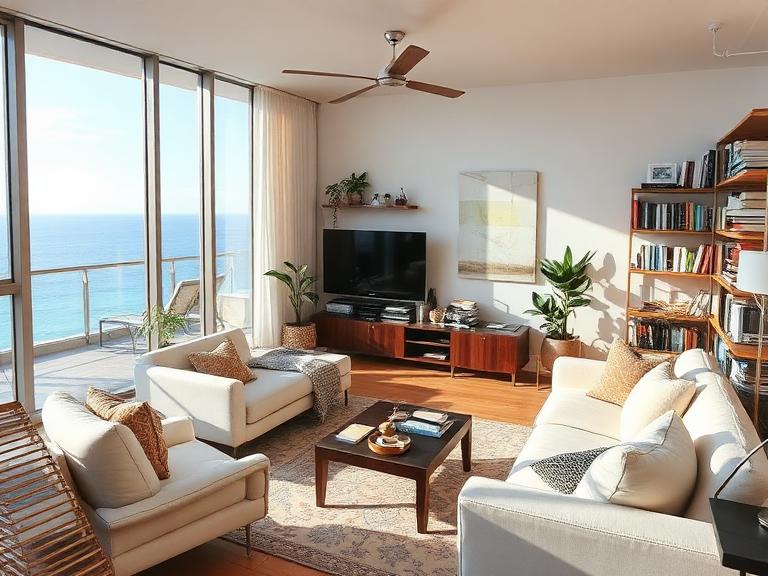
This first step will go a long way and essentially boils down to removing all unnecessary items from untidy or overcrowded areas, making your home’s spaces feel more spacious and organized.
The best way to declutter a house without it feeling overwhelming is to do it in parts, focusing on one room or area at a time. A helpful tip when decluttering is to keep bins or boxes labeled “trash”, “recycle”, “keep”, and “donate” handy so you can sort through your home more quickly.
If you don’t know where to start, view your home as if you were a guest visiting for the first time and look for areas that could use some decluttering. Alternatively, you can ask a friend to lend a second pair of eyes.
Decluttering is a vast subject by itself that is also seen as a holistic approach to simplifying people’s lives and improving mental health, but for the purposes of staging your home to be shown to potential buyers, try focusing on reducing visual clutter in key areas of your home – the living room, kitchen, and main bedroom being the most important. Also, remember to declutter countertops, end tables, pantries, and closets. For example, it will be much easier for people to appreciate all the cabinet space in your kitchen if it’s tidy and organized, instead of filled with spice bottles and containers.
Depersonalize
As mentioned earlier, a big part of home staging is arranging everything in your home so that potential buyers can picture themselves living there – this includes more than just decluttering and having tidy spaces, but also removing some of the things in your home that might make it difficult for someone else to picture themselves in that space.
The best way to achieve this is to remove family photos, keepsakes, and collectibles displayed in your home. This is especially true if these are items you plan to take with you when your house sells, as it will make it easier for buyers to get a sense of the room’s space and lighting without having to picture what it will look like after certain items are removed. This will also help avoid overcomplicating negotiations between you and a buyer, as they will have a clear idea of which items will be included in the sale of your home.
Do-ups
Home staging doesn’t mean you need to remodel and redecorate every little detail in your home; however, there are some minor, inexpensive, quick things that will go a long way in giving your home a great first impression. It is always a good idea to talk to your real estate agent, as they can point out any details that could negatively impact how potential buyers perceive your home and, therefore, its time on the market and final sales price.
The first effective, quickest, and least expensive thing to do when listing your home for sale is a deep cleaning.
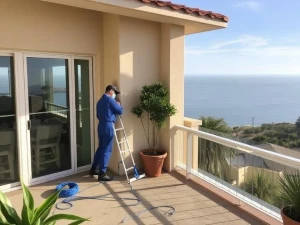
Here is a quick checklist of things to keep in mind while cleaning, for the most impact vs. cost:
- Degrease the stove and surfaces near the cooking area.
- Clean around light switches, dust off ceiling fans, and other places where dust might have gathered.
- Thoroughly clean and scrub the shower tiles and any soap or plaque buildup around faucets.
- Cleaning tiles and grout, or polishing the floor, depending on the material.
- Cleaning the walls is recommended if you are on a tight budget or no longer have the same paint color for a room.
- Clean carpets, curtains, and upholstery.
Other minor improvements you can make to your home that won’t break the bank include:
- Making sure all the lights in the home work
- Swapping outdated hardware like kitchen cabinet handles and light switches, which can be found cheaply at a hardware store.
- Adding indoor lighting to improve ambiance. This can be done by using indirect lighting, such as lamps or spotlights.
- Placing plants strategically around the house will liven up the spaces and add color.
Additionally, there are some routine measures you can take, such as cleaning the windows and patios every other week to keep your property looking its best.
Deodorize
Smell plays a very big part in the first impression a potential buyer has of a home. Pleasant scents can make visitors feel welcome during showings, while unpleasant smells may lead potential buyers to make certain assumptions about your home; for example, a musty or damp smell will be immediately associated with water leaks or mold problems, and pet odours might make someone think of pet hair and allergies.
On the other hand, if a buyer walks in and is greeted by a strong, artificial air-freshener scent, it may seem as if you are trying to mask a problem in your home.

Buyers appreciate honesty, so rather than trying to mask any odours, it’s better to focus on creating an inviting environment with a subtle, natural, clean scent that fosters a sense of comfort and makes visitors want to spend more time at the house.
Here are some quick tips to ensure your home has an inviting smell that will enhance the viewing experience for any potential buyers:
- The #1 tip is to eliminate the source of any unpleasant smell. For example, emptying any uncovered garbage cans prior to a showing.
- If pets live at the property, optimal pet odor management will be crucial to keep the property smelling fresh – washing pet beds regularly and cleaning kennels, litterboxes, and pet rooms, keeping them hair and odor-free will go a long way.
- Ensure your home is well ventilated – Open windows daily to circulate fresh air and prevent odors from building up. If no one lives at the property full-time, your real estate agent can arrive before the showing to open all windows and ventilate the property before a showing.
- If using scents, balance and moderation are best – aromatic candles, scented beads, and diffusers can work wonders in creating a welcoming atmosphere in a home.
Following these practical steps will help you maximize your house’s actual value in a shorter amount of time. Contact us now for a home evaluation and for more information about listing your property for sale.
by Mariana Cabello